

You're sitting in a boardroom. Your brand has been around for 30, 40, maybe 50 years. It's got loyalty. It's got recognition. And then someone says the words that make every heritage brand nervous: "We need to modernize."
The instinct is immediate. What if we lose what made us great? What if we alienate the people who built this? And that fear is not unfounded. I've seen brands strip away their soul in the name of "contemporary relevance" and watch their core audience walk away.
But here's what nobody talks about: I've also seen brands refuse to evolve, dig in their heels, and watch the market move faster than they could follow. That's a quieter kind of disaster.
The Lighthouse Story
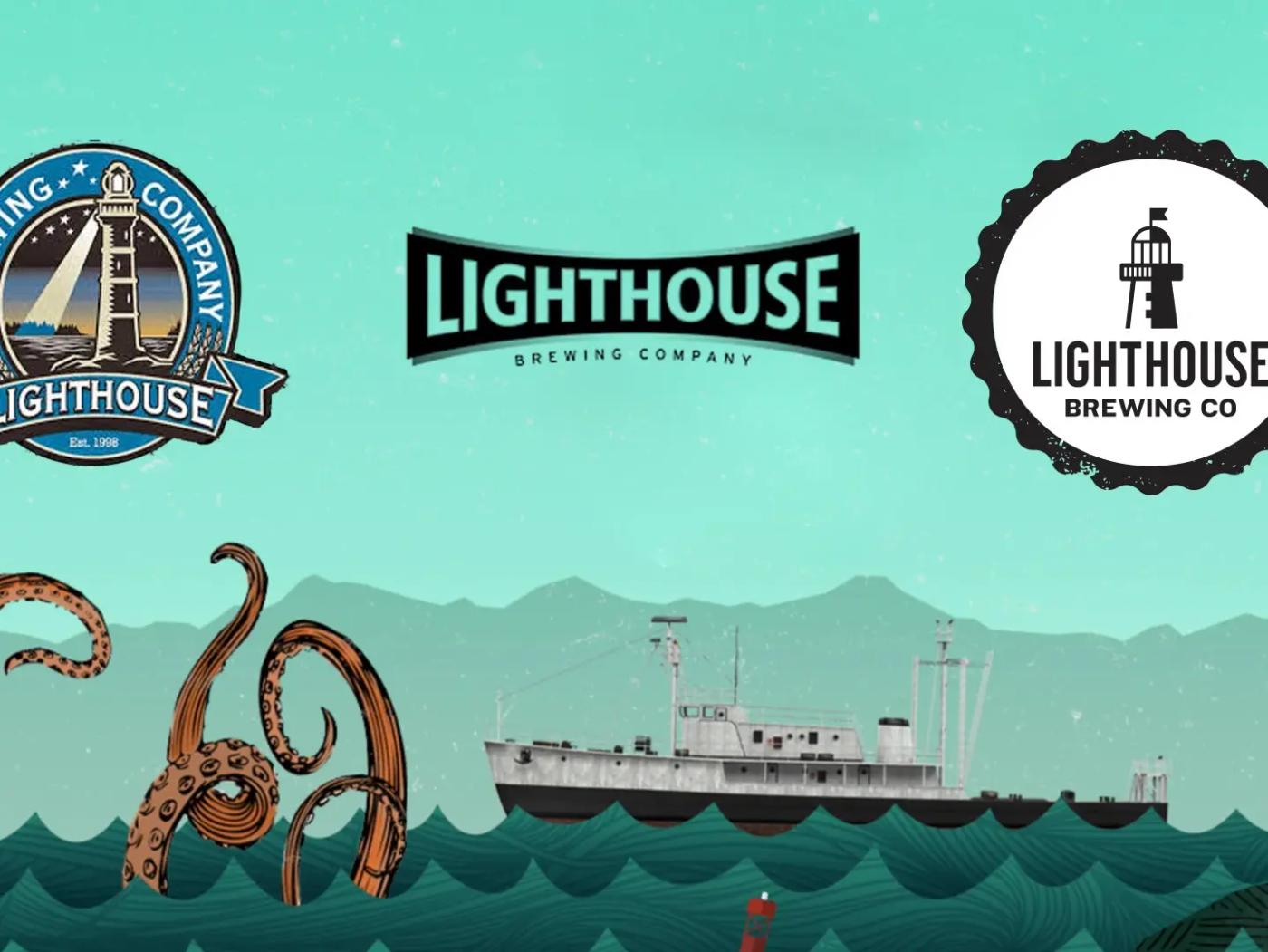
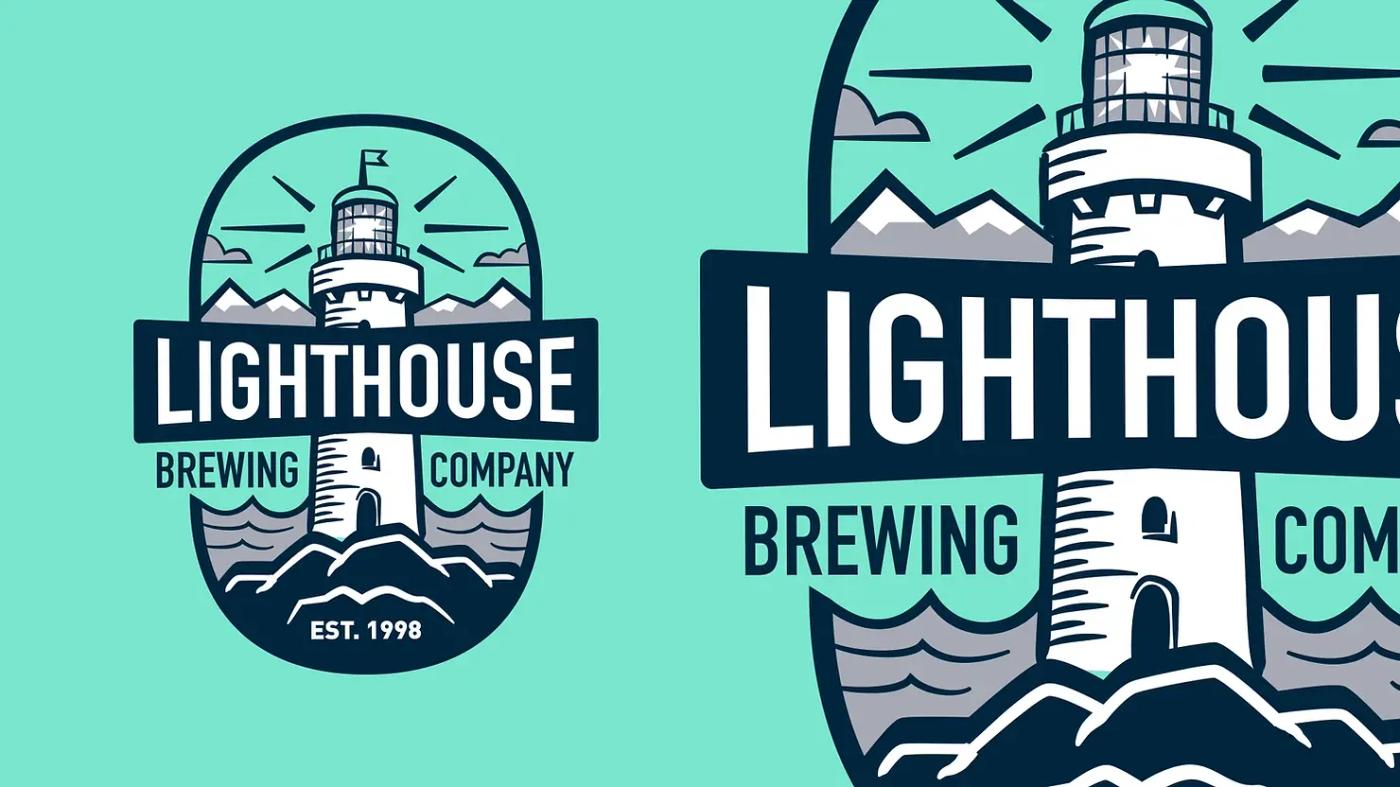
I worked with Lighthouse Brewing not long after they'd hit a critical crossroads. The brand was iconic on the West Coast - had been for decades. Their label was instantly recognizable. Their illustration style was classic. Their brand story was locked in.
But somewhere around 2015 to 2018, the market shifted hard. Craft beer exploded. Consumer tastes got experimental. Packaging design became part of the conversation - suddenly, how a beer looked mattered as much as what it tasted like. Shelf presence became premium real estate. And Lighthouse stayed exactly where it was.
They were terrified of losing what made them them. The brand felt iconic, so touching it felt like vandalism. So they held on. And held on. And while they held on, the market moved around them. Newer craft brands came in with bolder designs, more intentional packaging, fresher visual languages.
Retailers started giving those brands better shelf placement. Younger drinkers didn't even see Lighthouse in the conversation anymore - not because the beer was bad, but because the brand had become invisible in a category that was screaming for visual storytelling.
By the time they finally faced the modernization conversation, they weren't refreshing a beloved institution - they were scrambling to stay relevant in a category that had left them behind.
The real risk isn't changing. It's changing too late, or not at all.
The Cornerstone Test
Not every element of your brand is equally sacred. Some things define who you are. Others are just how things have always been done.
Here's the framework:
- Cornerstone elements are the recognizable anchors that your audience feels when they see your brand. A specific colour palette, a symbol, a mark, a pattern, a typographic rhythm. These are the visual fingerprints that distinguish you instantly.
- Contextual elements are everything else. The typeface choice in your body copy. The exact layout of information on your label. The photography style in your ads. These elements support your brand, but they're not defining it. They can evolve without erasing identity.
The mistake heritage brands make is treating everything as cornerstone. They protect the colour palette and the layout and the typography and the photography style - and the result is a frozen artifact instead of a living brand.
The other mistake? Assuming nothing is cornerstone. If you strip away everything that felt familiar, your audience gets whiplash. They see the new version and think, "This isn't for me anymore." And they're right - you just made it not for them.
Three Principles for Keeping Your Cornerstone Intact While Modernizing
1. Preserve Recognition, Evolve Expression
Your cornerstone elements need to stay recognizable. But recognizable doesn't mean unchanged. A classic beer label might keep its iconic crest, its core colour, its foundational mark - but render them with cleaner lines, better craft, more breathing room. More refined, more contemporary, but your longtime customer still knows it instantly.
The thing that usually goes wrong here? Designers sometimes assume "modernize" means "simplify aggressively." But aggressive simplification can strip away the personality. You're not going for "generic minimal." You're going for "refined and intentional."
2. Respect Craft, Upgrade Quality
Heritage brands often carry forward design choices that made sense in a different era. Printing techniques were limited. Label materials were what they were. A lot of the visual character came from working within those constraints.
But now you can honour that intention with far better craft. Better registration. Better colour accuracy. Better materials. Better typography options. You're not reinventing. You're elevating.
3. Update the Narrative, Keep the Foundation
Your brand story might have been "we've been here for 40 years and we know beer." That's still true. But maybe the story now is "we've been here for 40 years and we've been paying attention. Here's what we learned."
The foundation - your heritage, your history, your roots - that doesn't go anywhere. But the way you talk about it, the context you give it, the relevance you draw from it evolves.
Why This Matters Now
The market that worked for heritage brands in 2010 doesn't exist anymore. Your customers' expectations have changed. The way they discover products has changed. The design language they consider "premium" or "trustworthy" has shifted.
The brand owners who get this right aren't the ones who fight modernization. They're not the ones who abandon their heritage either. They're the ones who understand that keeping your character and evolving your expression aren't opposites. They're partners.
But here's the thing: this conversation has an expiration date on it. You can have it from a position of strength - while you still have momentum, while you still have customer loyalty to work with, while you get to shape the evolution. Or you can have it from a position of crisis, when your sales are slipping and you're playing catch-up.
One gives you options. The other just gives you urgency.
If your heritage brand is comfortable right now, that's exactly when you need to move. Not recklessly. Not by abandoning what made you great. But intentionally, thoughtfully, with the framework to preserve what matters and evolve what needs to.
Because the market isn't going to wait for you to feel ready. Lighthouse learned that the hard way.
Don't let your brand learn it the same way.