

Industrial companies face a unique branding challenge that many other sectors do not: they must demonstrate that they are both established and forward-thinking simultaneously.
A consumer brand can lean into either heritage or innovation. Typically, they choose one and own it. However, for an industrial company, clients need to know you've been around long enough to be trustworthy. They also need assurance that you're not stuck in 1995.
This tension is where many industrial branding efforts fall short. Companies either cling to what made them credible - which can make them appear outdated - or they attempt to modernize and lose the authority that credibility provides. The best brands understand that you don't have to choose; you must prove both aspects at once.
What Makes Industrial Branding Different
When branding a construction firm, a professional services company, or an industrial manufacturer, you're designing for decision-makers who have real money, real risk, and real timelines on the line. They are not buying based on emotion; they are buying based on competence.
Your brand must communicate competence instantly. Not in an abstract way, but in a specific manner: "We know what we're doing. We've done this before. We're not going to let you down."
However, there is a shift happening in the industrial sector: competence alone is no longer sufficient. Clients also want to know that you are paying attention to what's changing. They want assurance that you're not just coasting on reputation but are actively evolving.
Your brand must accomplish something tricky: prove that you're substantial enough to trust and forward-thinking enough to respect.
The Framework: Substance + Signal
When I approach industrial branding, I focus on two key elements:
- Substance is the visible proof of your credibility. It resides in the solidity of your design, the way forms are constructed, and the weight and balance of your visual identity. It embodies the confidence that comes from knowing who you are.
- Signal is the evidence that you're moving forward. It lies in the details that suggest forward momentum, the way your brand can flex and adapt, and the contemporary choices that coexist with traditional ones. It proves that you're not resting on your laurels.
The mistake most industrial brands make is choosing one or the other. Substance without signal feels stagnant. Signal without substance feels forced. The brands that succeed prove both.
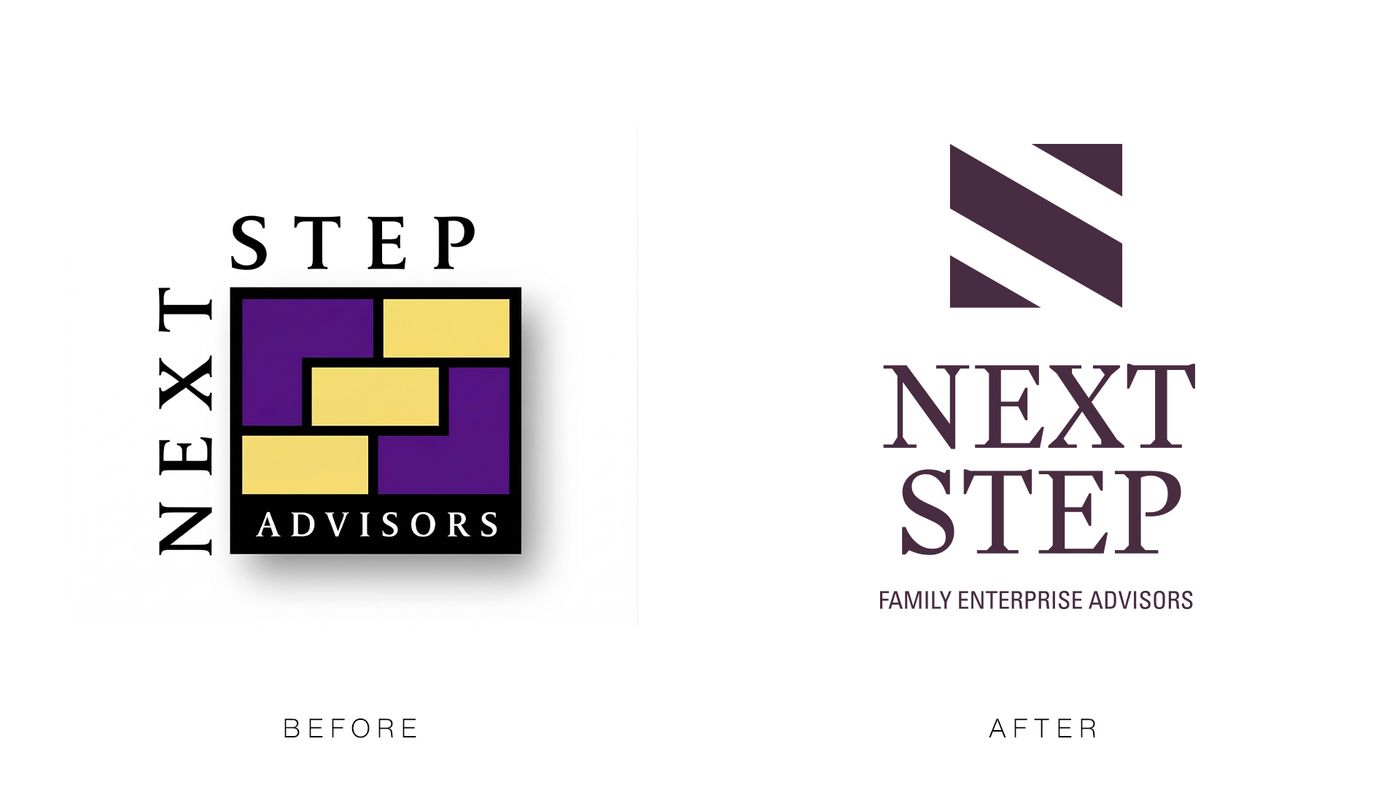
Next Step Advisors: Establishing Authority While Moving Forward
Next Step Advisors operates in a space where David C. Bentall's name carries weight, an earned reputation built over years of experience. However, the company needed a brand that demonstrated they are not merely trading on that legacy; they are building something new.
The brand needed substance: clear, confident, and grounded in professional credibility. The typography is substantial, and the colour story is sophisticated, not trendy. The visual hierarchy is clear - this is a firm that knows what it is doing.
Yet, there is also signal: the design system is flexible and contemporary. The website and collateral showcase movement and adaptation. The brand proves that the firm respects its heritage while actively shaping the future.
Authority doesn't have to mean static. It means knowing what you stand for and being willing to evolve how you express it.
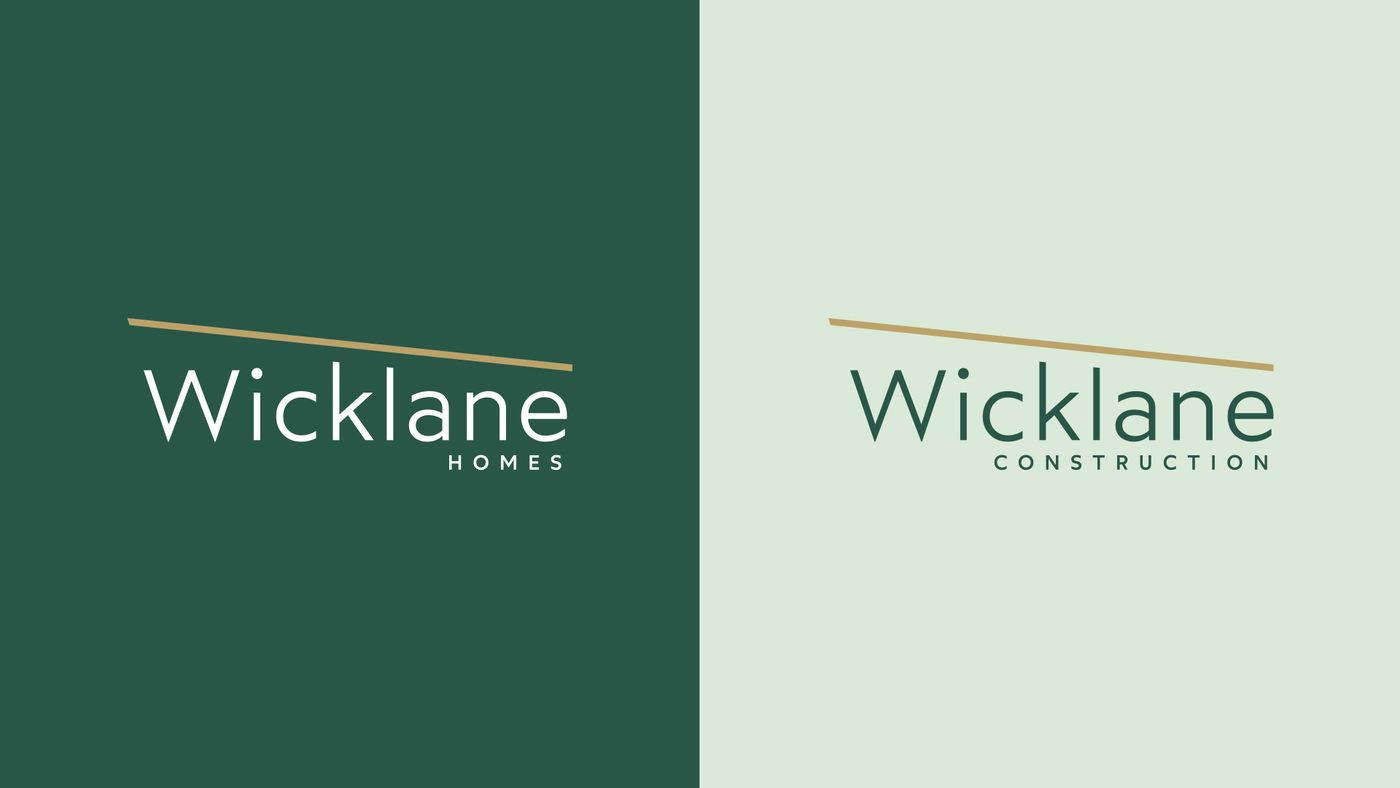
Wicklane: Homes and Construction in One Brand
Wicklane operates in both residential and construction markets: two different sectors that require the same brand to communicate differently. Homes need warmth, while construction demands competence. The brand needed to be substantial enough to encompass both.
The challenge was proving credibility in construction while maintaining the warmth that makes the residential side approachable. The solution wasn't to split the difference; it was to build a brand system that is solid yet adaptable. Strong foundations with flexibility on top.
The best industrial brands aren't trying to appeal to everyone. They create a system that proves competence in their specific space, allowing that competence to resonate across different contexts.

Malish + Michel: Bridging Professional Accounting
Malish + Michel operates in accounting services, a sector where credibility is built through experience and relationships. Their brand needed to feel established and trustworthy.
However, it also needed to signal that they are not a traditional, buttoned-up firm that simply moved online and called it strategy. They are actively engaged with how things are changing.
The brand balances substance (sophisticated colour story, clear typography, professional form language) with signal (a contemporary approach, thoughtful spatial design, and the sense that they are designing with intention, not just for tradition).
In professional services, your brand is your proof of sophistication. Make every choice count - not for flash, but for clarity.
Why This Matters
In the industrial sector, your brand isn't just decoration; it's your first argument for why someone should hire you. Before the pitch. Before the portfolio. Before anything else.
If your brand looks dated, clients will assume your thinking is as well. If your brand appears generic, they will assume your work is too. If your brand feels scattered, they will question whether you can manage a complex project.
But if your brand proves that you understand both credibility and change - that you respect where you've come from while staying engaged with where things are going - that's the brand that wins the work.
Industrial clients aren't looking for trendy; they are looking for capable. And capable means you know what you're doing and you're paying attention. Your brand is where you prove both.